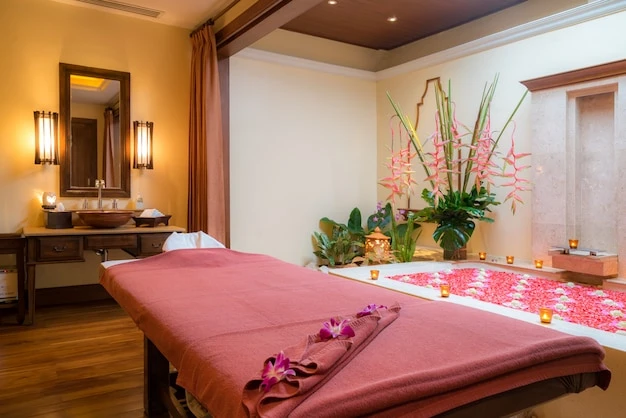
- Reduces stress & anxiety
Massage therapy significantly lowers cortisol levels while boosting serotonin and dopamine. A 60-minute session can decrease psychological stress by up to 40%, easing racing thoughts and muscle tension caused by chronic anxiety. Regular massages train the nervous system to remain calm, improving overall emotional resilience. The gentle pressure and rhythmic strokes activate the parasympathetic response, helping you disconnect from daily pressures and enter a deep state of relaxation. Over time, this reduces insomnia, irritability, and the physical symptoms of stress such as headaches and jaw clenching.
- Boosts mood & relaxation
Endorphins – the body’s natural “feel-good” chemicals – are released during massage, creating a natural euphoria similar to exercise. This mood elevation helps combat mild depression and seasonal lethargy. The serene environment, soft lighting, and therapeutic touch work together to quiet mental chatter and induce a meditative state. Clients often report feeling lighter, more optimistic, and emotionally balanced for days after their session. Massage also reduces substance P, a neurotransmitter linked to pain and low mood, providing a holistic uplift.
- Relieves muscle tension
Whether from poor posture, overtraining, or sedentary work, muscle knots (trigger points) cause stiffness and restricted movement. Deep tissue and Swedish massage techniques break down adhesions in muscle fibers, improve blood flow to cramped areas, and flush out lactic acid. This leads to immediate relief from back, neck, and shoulder tightness. Regular sessions maintain muscle elasticity, reduce the risk of strains, and improve athletic performance. You’ll notice greater ease in daily activities like bending, lifting, or sitting at a desk for long hours.
- Improves sleep quality
Massage encourages the production of serotonin, which later converts to melatonin – the sleep-regulating hormone. For those with insomnia or disrupted sleep cycles, a late-afternoon or even midnight massage can reset the circadian rhythm. The reduction in physical pain and mental rumination makes it easier to fall asleep and stay asleep through the night. Many clients experience deeper REM cycles and wake up feeling more refreshed. Over several weeks, regular massage can reduce reliance on sleep aids and restore natural rest patterns.
- Increases blood circulation
The mechanical pressure of massage moves blood through congested areas, while the release of vasodilators opens up new pathways for oxygen and nutrient delivery. Improved circulation accelerates healing of injured tissues, reduces swelling, and warms cold extremities. For people with high blood pressure or sedentary lifestyles, massage acts as a passive form of cardiovascular stimulation. Better circulation also means glowing skin, stronger nails, and faster recovery from exertion.
- Enhances mental clarity
Massage reduces “brain fog” by lowering stress hormones that impair cognitive function. The focused relaxation allows the brain to shift from beta waves (alert/active) to alpha waves (calm/creative). Clients often experience improved concentration, faster decision-making, and better memory recall after a session. Regular massage also increases blood flow to the prefrontal cortex, which governs executive functions. This makes it a valuable tool for students, entrepreneurs, and professionals facing high mental demands.
- Lowers blood pressure
Studies show that consistent massage therapy can reduce both systolic and diastolic blood pressure by 5–10 points. The relaxation response decreases peripheral resistance and heart rate, easing the workload on the heart. For those with hypertension, a weekly massage can complement medication and lifestyle changes. The reduction in arterial stiffness also lowers the risk of heart attack and stroke. It is a non-invasive, enjoyable way to support long-term cardiovascular health.
- Boosts lymphatic drainage
The lymphatic system removes metabolic waste, toxins, and excess fluid. Massage stimulates lymph flow, which can become sluggish due to illness or inactivity. Improved drainage reduces edema, supports immune function, and decreases post-surgical swelling. For those with fibromyalgia or chronic fatigue syndrome, gentle lymphatic massage alleviates the heavy, achy feeling in limbs. It also helps clear congestion from allergies or colds.
- Reduces headache frequency
Tension headaches often originate from tight suboccipital and trapezius muscles. Targeted neck, shoulder, and scalp massage releases these trigger points, cutting off headache signals before they start. Migraine sufferers report fewer attacks and less severe pain when combining massage with medication. Massage also reduces the frequency of medication-overuse headaches. Regular sessions can replace over-the-counter painkillers for chronic tension headache sufferers.
- Improves posture & flexibility
Tight chest muscles and weak upper back cause a slumped “forward head posture”. Massage loosens shortened muscles while stretching the fascia, allowing the skeleton to realign naturally. Increased joint range of motion makes yoga, sports, and even walking more fluid. Over time, corrected posture reduces chronic back pain, improves breathing capacity, and gives you a taller, more confident appearance. It is essential for anyone who works at a computer or drives long distances.